













Troops on Standby as Minneapolis Protests Push Federal and State Forces to Edge
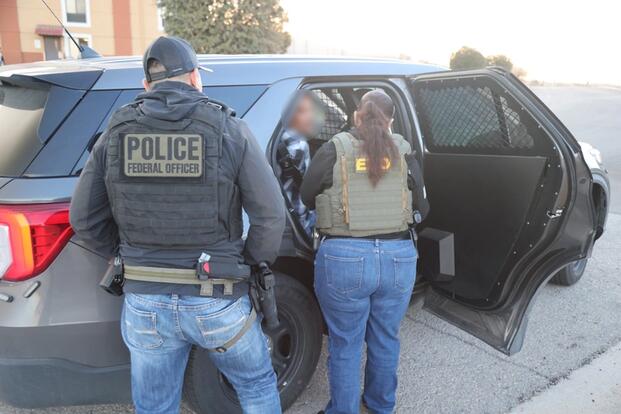
The Department of Defense has placed approximately 1,500 active-duty Army soldiers on standby for potential deployment to Minnesota following escalating unrest in Minneapolis linked to federal immigration enforcement and a fatal ICE shooting The troops, assigned to the Army’s 11th Airborne Division based in Alaska, specialize in rapid response under extreme winter conditions and can be deployed quickly inside the United States if ordered Pentagon officials emphasize that no deployment order has been issued and the move reflects precautionary readiness rather than an active mission
The unrest erupted after an ICE agent fatally shot a local resident during a January demonstration, triggering protests that grew into wider demonstrations against federal immigration operations Protesters accused ICE of aggressive tactics and racial profiling, prompting civil liberties groups to file lawsuits alleging constitutional violations A federal judge later restricted agents from detaining individuals not committing crimes or obstructing federal operations
Demonstrations escalated with confrontations between anti-ICE and pro-ICE groups, including street scuffles and coercion, as well as incidents of individuals being chased or physically harassed Some participants reported injuries or threats despite protective gear, highlighting rising tensions in the city
President Donald Trump warned he would consider invoking the Insurrection Act if unrest threatened federal property or overwhelmed local authorities This statute allows the president to deploy active-duty forces domestically when rebellion or civil disorder obstructs federal law enforcement and local authorities cannot restore order The Pentagon’s standby posture is directly linked to these statements, reflecting elevated federal concern and political tension
Meanwhile, Minnesota Governor Tim Walz activated the National Guard under state authority to support civil authorities if protests threatened public safety He emphasized that the Guard remains under state control, operating to protect residents and infrastructure, not to enforce federal immigration policy This dual posture underscores a political contradiction where state and federal military readiness exist simultaneously
Legal and political debates have intensified over jurisdiction and constitutional limits Critics warn that military presence, even staged, could chill lawful expression and deepen community distrust Federal officials maintain that troop preparedness is a lawful contingency if violence threatens federal personnel For servicemembers, the Minnesota situation highlights questions about domestic military roles and the careful balance between civil unrest and national security decision-making
As of now, no active-duty troops have deployed The Alaska-based unit remains on standby while the National Guard is staged under state authority Federal immigration operations continue under court limits and protests persist at lower intensity Future escalation depends on protest intensity, perceived threats to federal facilities, and possible invocation of the Insurrection Act Minnesota remains in a rare position with both state and federal forces poised without crossing into active deployment